
Beauty trends influence more than what guests ask for during an appointment. They shape how salons offer services, how professionals grow their skills, and how students prepare to step into the industry.
For students exploring careers in the beauty trades, paying attention to trends isn’t about copying every new look. It’s about noticing how the industry is shifting and understanding how education helps you keep pace when styles, services, and expectations change.
Below are five examples of what’s trending in beauty this year and what they mean for those entering the field.
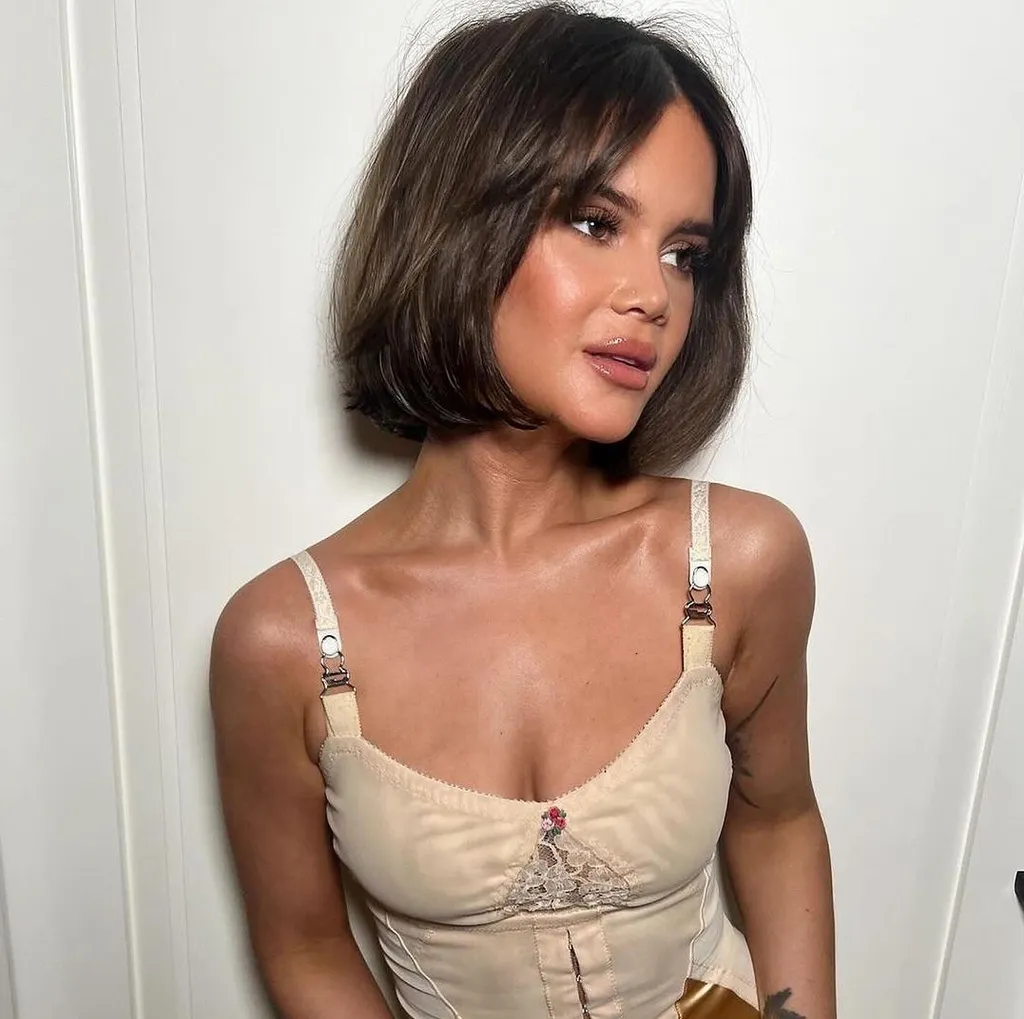
Trend 1: The Low One Length Cut and Grown-Out Shapes
Short hair isn’t going anywhere, but in 2026 it looks different. Instead of sharp, cropped one-length cuts (known as bobs), more guests are choosing longer shapes that sit closer to the collarbone. These cuts feel softer and more relaxed, with blended layers that move naturally.
The low one-length haircut works because it’s easy to live with. It highlights healthy ends, doesn’t demand heavy styling, and fits a broad range of face shapes. For future professionals, this trend brings the focus back to the basics. Clean sectioning, balanced layering, and controlled finishing are what separate the cut that looks effortless from one that misses the mark.
These are subtle skills. They take repetition, which is why hands-on training matters as hair trends continue to evolve.
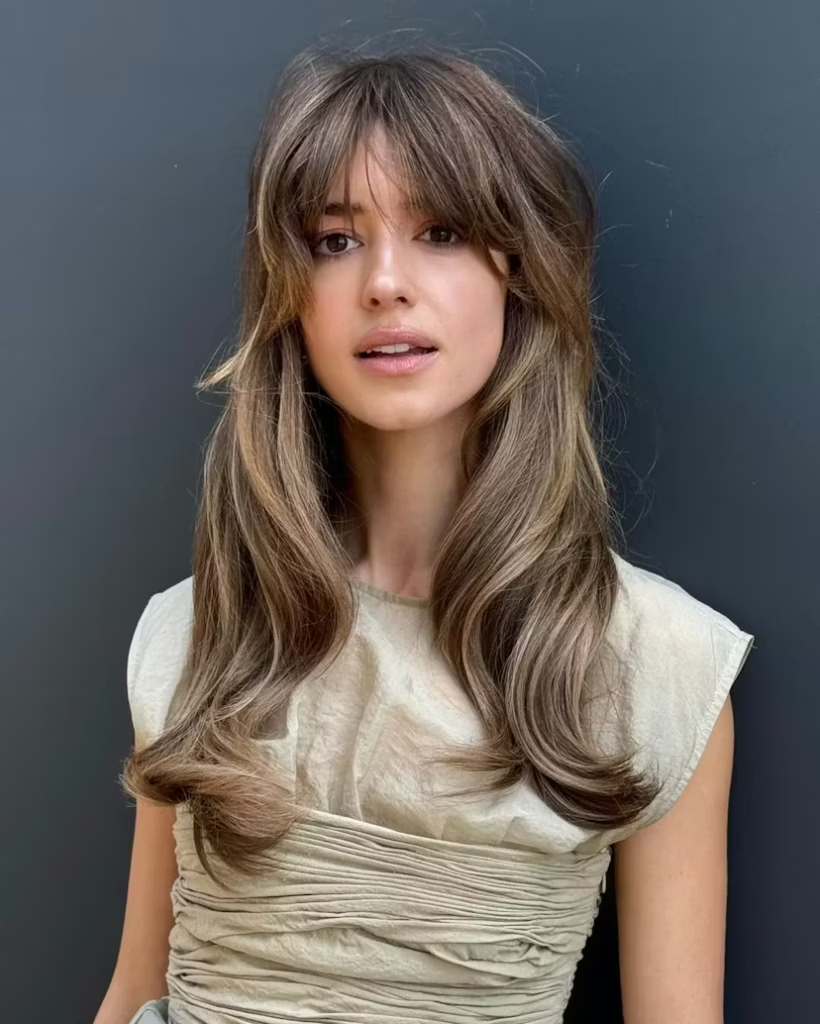
Trend 2: Statement Fringes and Face-Framing Details
Fringes are making a stronger return in 2026, but not in an overdone way. Instead of barely-there bangs, guests are asking for face-framing details that feel intentional while staying soft and wearable.
This includes:
- Side-swept or lightly disconnected fringes
- Face-framing layers that highlight bone structure
- Bangs designed to be styled more than one way
For emerging talent, trends beauty salons are responding to, like fringe work, is all about consultation. It requires confidence, exactness, and a clear understanding of face shape, hair texture, and daily routine. Training helps students develop the control needed to cut, adjust, and maintain these details over time, skills that build trust and long-term guest relationships.
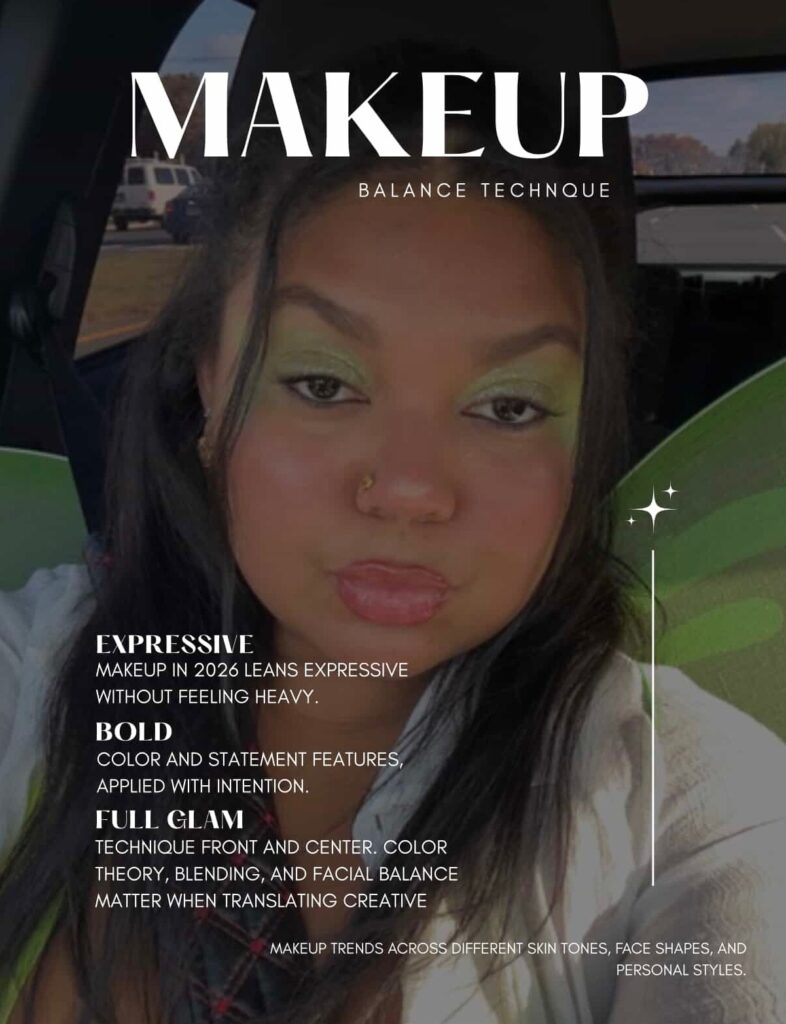
Trend 3: Expressive Makeup Balanced by Technique
Makeup in 2026 leans expressive without feeling heavy. Bold color and statement features are showing up more often, but they’re applied with intention. Instead of full glam across every feature, many looks focus on one standout area while keeping the rest balanced.
This puts technique front and center. Color theory, blending, and facial balance matter when translating creative looks to real guests. Education gives future cosmetologists the ability to adapt makeup trends across different skin tones, face shapes, and personal styles.
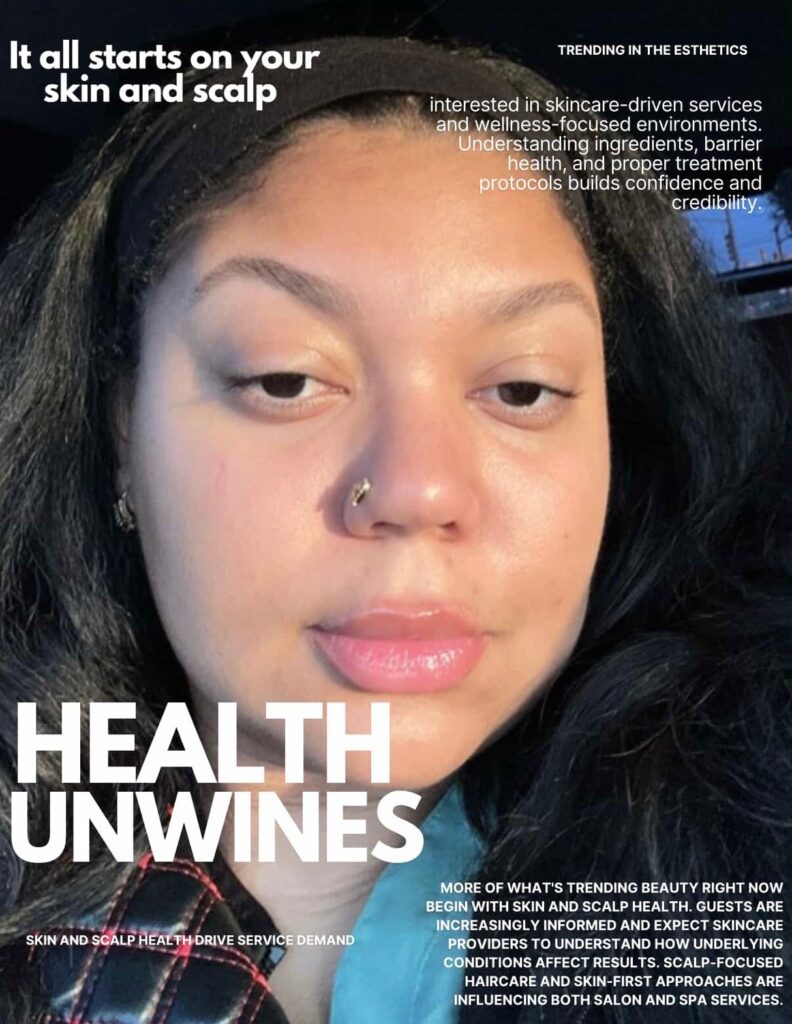
Trend 4: Skin and Scalp Health Drive Service Demand
More of what’s trending beauty right now begin with skin and scalp health. Guests are increasingly informed and expect skincare providers to understand how underlying conditions affect results. Scalp-focused haircare and skin-first approaches are influencing both salon and spa services.
This shift highlights the value of esthetician training, especially for students interested in skincare-driven services and wellness-focused environments. Understanding ingredients, barrier health, and proper treatment protocols builds confidence and credibility.
As guests look for education alongside services, professionals with strong skin knowledge are better positioned to meet expectations and expand what they offer.
Trend 5: Personalized, Experience-Driven Services
In 2026, beauty services are just as much about experience as they are about results. Guests value personalization, comfort, and thoughtful consultation. Texture, scent, and customization all shape how a service feels from start to finish.
This trend places a greater emphasis on communication. Students who learn how to listen, ask the right questions, and tailor services are better prepared for working environments that prioritize experience alongside technique.
Personalization also supports long-term guest relationships, making it an important skill for those pursuing careers in cosmetology.
Why These Trends Matter for Students
Understanding what’s trending in beauty helps students connect classroom learning to what’s happening in real salons and spas. It encourages flexibility and thinking ahead instead of focusing only on short-lived styles, and reinforces the value of a well-rounded cosmetology training program.
Trend awareness can help future professionals:
- Discover areas of interest or specialization
- Understand how services are changing
- Communicate more confidently with guests and employers
- Prepare for continuing education opportunities
For students entering the beauty trades, this awareness supports confidence early in their careers and adaptability over time.
About Rizzieri Aveda School
Trends change. Education is what allows artists to adapt without starting over. A strong cosmetology training program builds transferable skills that apply across hair, makeup, skincare, and evolving service models.
Focused esthetician training supports students interested in skin-focused services as demand continues to grow. Training turns trends into opportunities rather than obstacles.
Rizzieri Aveda School provides accredited beauty education with a focus on skill, professionalism, and real-world experience. As New Jersey’s only Aveda-partnered school, we help students build strong, career-ready foundations. Reach out to get all of your questions answered about our programs, or begin enrollment today!
FREQUENTLY ASKED QUESTIONS ABOUT 2026 BEAUTY TRENDS
1) What are the top beauty trends for 2026?
Beauty trends for 2026 focus on intentional hair color, healthier hair and scalp routines, skin-first makeup, and skincare services built around consistency, technique, and long-term results.
2) What is trending in beauty for hair in 2026?
Hair trends in 2026 highlight warm, dimensional hair color (soft coppers, rich brunettes, soft-gold blondes), one-length haircuts with movement, and styling that supports natural texture and shine.
3) How do 2026 beauty trends impact salons and services?
Trends beauty salons are leaning into more consultation-led services, personalized recommendations, and results that support hair and skin health. Guests expect professional guidance, not just a finished look.
4) Why does trend awareness matter for beauty students?
Trend awareness helps students understand guest expectations, build relevant skills, and communicate confidently during consultations. It also supports adaptability as services and techniques evolve.
5) How does a cosmetology training program help students keep up with trends?
A cosmetology training program builds strong fundamentals in cutting, color, styling, and guest communication. Those skills make it easier to learn new techniques and deliver modern results in a professional setting.
6) How does esthetician training prepare students for modern skincare trends?
Esthetician training teaches skin analysis, treatment protocols, ingredient knowledge, and consultation skills. These areas support the results-driven skincare services guests request as trends evolve.
7) What hair color trends are expected to grow in 2026?
Expect more warmth and dimension, including amber and cinnamon tones, deep brunettes with shine, and soft-gold blondes created with micro-weaving and seamless balayage techniques.
8) What makeup trends are shaping 2026?
Makeup trends for 2026 favor breathable, skin-first finishes, soft sculpting, and thoughtful application that enhances natural features and photographs well without heavy layering.
9) How are guest expectations changing in 2026?
Guests are arriving more informed and more specific. They want personalized recommendations, healthy results, and professionals who can explain the why behind services and home care.
10) How can future beauty professionals stay adaptable as trends change?
Stay current by continuing education, practicing core techniques, learning from skilled mentors, and strengthening consultation skills. A strong training foundation supports growth across changing trends.