
If you are weighing your options right now, you are doing it in one of the most complicated economic moments in recent memory. AI is reshaping entire industries. The job market is uncertain. The cost of a four-year degree keeps climbing while the return on that investment is no longer guaranteed. A lot of people who did everything right, chose the traditional path, graduated with a degree, are still carrying debt well into their thirties and questioning whether it was worth it.
Against that backdrop, a career in beauty might sound like an unlikely answer. Based on the data and where the economy is heading, it is one of the most strategically sound choices a person can make today.
What Makes a Beauty Career Recession-Proof?
A beauty career is recession-resistant because personal care is one of the last things people give up during an economic downturn. The beauty industry has historically shown resilience during economic downturns as consumers often view personal grooming as a necessary expense. Economists call this the Lipstick Effect, the documented tendency for beauty spending to hold steady or even increase during recessions, because personal care becomes the way people maintain confidence, professionalism, and a sense of normalcy when larger purchases are out of reach.
The employment data reflects this pattern. The Bureau of Labor Statistics projects 5 percent employment growth for cosmetologists through 2034, faster than the average for all occupations, with approximately 84,200 openings projected each year over the decade. For skin care specialists, employment is projected to grow 9 percent through 2032, much faster than the national average, with approximately 12,400 new openings projected annually. McKinsey research projects the global beauty market will reach approximately $580 billion by 2027, growing at 6 percent annually.
These numbers are not dependent on a strong economy. They reflect consistent baseline demand. People get haircuts and book skin care appointments in good times and difficult ones.
Can AI Replace a Cosmetologist?
No. Research from MIT Sloan identifies five uniquely human capabilities that AI cannot replicate, including empathy, physical presence, opinion and judgment, creativity, and hope, known as the EPOCH framework. A cosmetologist exercises all five in a single client appointment. They read a client’s mood, adapt a color formula to real conditions, exercise creative judgment, and build a relationship that keeps that client coming back for years. According to Boston Consulting Group’s 2026 research, 57 percent of all jobs depend heavily on the physical presence of human workers, hands-on work, or sustained human interaction, all of which limit the potential for automation.
Beauty careers sit squarely in that protected majority. The work is tactile, relational, and entirely dependent on the physical presence of a skilled professional. No algorithm builds the kind of trust between a stylist and a client who has been sitting in the same chair for ten years.
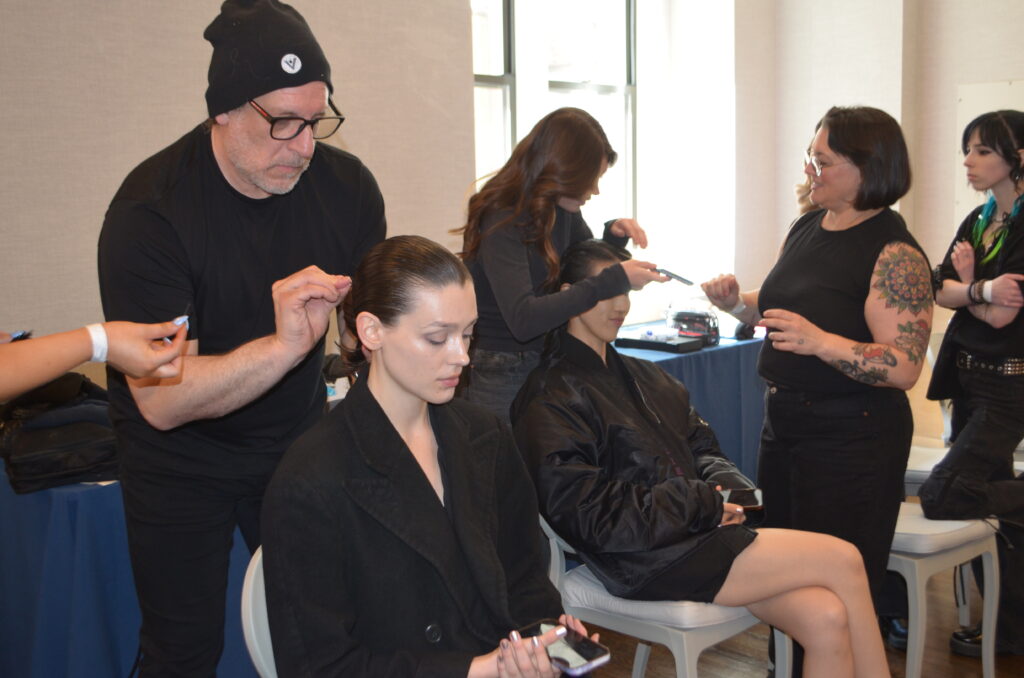
Beauty Is a Skilled Trade and the Conversation Should Reflect That
When people talk about skilled trades as the future of work, the conversation almost always goes in the same direction. Electricians. Plumbers. HVAC technicians. Welders. These are stable, well-paying careers in high demand, and that narrative is accurate. Beauty careers belong in it too.
Beauty careers meet every structural definition of a skilled trade. They require specialized hands-on training, state licensing, technical skill development, and ongoing professional education. A cosmetologist completes a vocational program, passes a licensing exam, and enters a profession that cannot be practiced without credentials. A career in cosmetology requires manual skills, specific training, and licensing, which is typical of a trade profession, and completion of a trade school program is a requirement for a cosmetology license. The path looks a lot like the one an electrician or a plumber takes, and the career outcomes share more in common than the public conversation tends to acknowledge.
While trades like electrical work and plumbing have long dominated this conversation, personal appearance fields are now taking center stage. And unlike many jobs that can be replaced by automation, cosmetology and esthetics are
deeply human services, tactile, relational, and creative. That is exactly what makes a beauty career both a legitimate trade and one of the most future-proof paths available right now.
Is Beauty School Worth It Compared to a Four-Year Degree?
For someone who wants a hands-on, people-centered career with a faster path to financial independence, the answer is yes. Students who borrowed to pursue a bachelor’s degree in 2025 took out an average of $35,639 in education loans. The average borrower takes 20 years to repay that debt. Beauty school programs are typically completed in 12 to 18 months at a significantly lower cost, and graduates enter a licensed profession with the ability to earn income from day one without years of debt in tow.
For someone who wants to build a client base, own a salon, or work in editorial, film, fashion, or television, beauty school is the direct route. The question worth asking is not whether it compares favorably to a four-year degree on paper. The question is which path actually leads where you want to go.
What Can You Earn as a Beauty Professional?
More than the published numbers suggest. The Bureau of Labor Statistics notes that its median salary data for cosmetologists does not capture the earnings of self-employed workers, and many cosmetologists are self-employed. Tips are also not factored into BLS wage data, and they can significantly boost total earning potential. A skilled cosmetologist with a strong client base working in a high-demand market earns considerably more than published medians reflect. Commission structures, booth rental income, product retail earnings, and eventual salon ownership all raise the ceiling further.
For those who want to stay connected to the industry in a different way, Rizzieri also offers a Teacher Training program for beauty professionals who want to bring their experience back into the classroom and shape the next generation of students.
The flexibility of a beauty career is another factor that the numbers alone do not capture. Evenings, weekends, part-time, full-time, freelance, or studio ownership are all viable structures, and the ability to shape a schedule around your life is something a desk job rarely offers.
Why Rizzieri Prepares Students for Long-Term Career Success
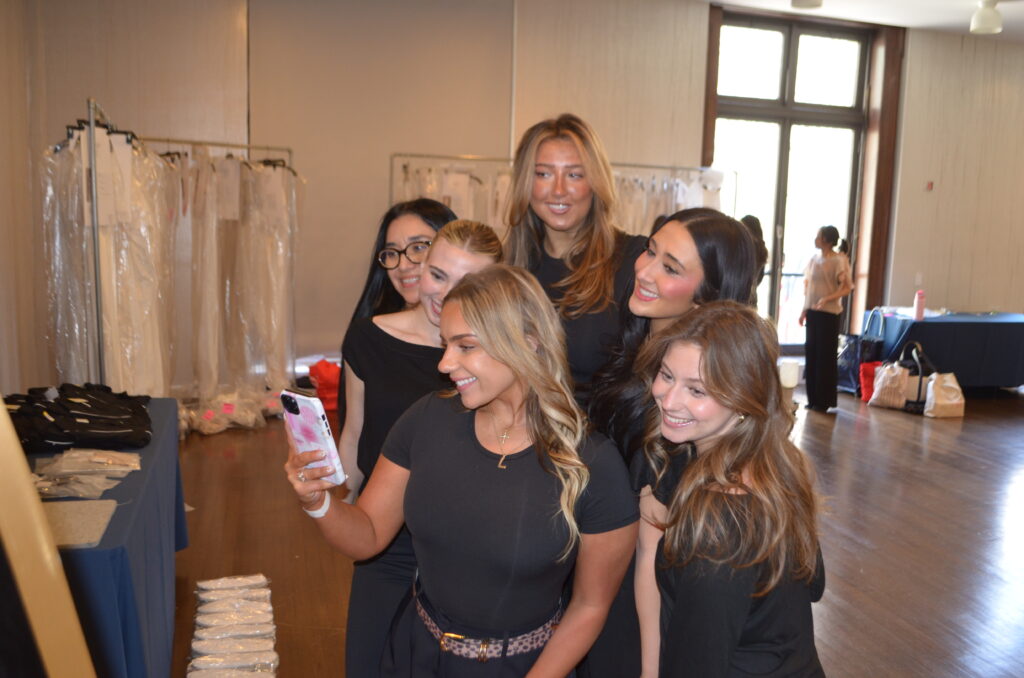
Rizzieri School prepares students for the reality of working in beauty, not just the theory of it. Instructors have built careers in the field, students work with professional tools and real guests, and structured feedback is part of the process from day one. Halfway through the program, students begin working on live clients, building the kind of human skill and client intuition that no technology can replicate. Portfolio development and mentorship are built into every program, and the school is NACCAS-accredited.
“This industry gives you the ultimate in creativity,” says Frank Rizzieri. “You can use whatever inventiveness you want and it is accepted on every level. AI can generate an image of a haircut but it cannot teach someone to read a client, adapt in the moment, and build a relationship that keeps that person coming back for years. That is what we train here. The stability, the client relationships, the flexibility you build over time are yours to keep regardless of what the economy does.”
That long view is built into every program at Rizzieri. Students graduate with the technical precision, the professional philosophy, and the career foundation that only comes from training at a school with a century of industry experience behind it.
Is a Beauty Career Right for You?
If you are creative, people-centered, and looking for a career that offers real stability without decades of debt, beauty school deserves a serious look. The industry is growing. The jobs are human by nature and resistant to automation by design. The path is faster and more affordable than most traditional alternatives, and the skills you build are yours to take anywhere.
The best way to understand what that looks like is to see it firsthand. Schedule a tour at Rizzieri School and find out what your path into this industry could look like.
Common Questions About Beauty Careers and Beauty School
Is a beauty career recession-proof? A beauty career is one of the most recession-resistant paths available. The Bureau of Labor Statistics projects 5 percent employment growth for cosmetologists through 2034, faster than the national average, with 84,200 job openings projected each year. Personal care spending historically holds steady during economic downturns because consumers view grooming as a necessary expense rather than a luxury.
Can AI replace cosmetologists or hairstylists? No. MIT Sloan research identifies physical presence, empathy, and creativity as uniquely human capabilities that AI cannot replicate. Boston Consulting Group’s 2026 research found that 57 percent of all jobs depend on physical presence, hands-on work, or sustained human interaction, making them resistant to automation. Beauty careers depend on all three.
Is beauty school considered a skilled trade? Yes. Cosmetology, esthetics, nail technology, and barbering programs meet every definition of a skilled trade. They require specialized hands-on training, state licensing exams, and produce licensed professionals ready to work, the same structure as electrician, plumbing, or HVAC programs.
How does beauty school compare to a four-year college degree? Beauty school programs are typically completed in 12 to 18 months at a fraction of the cost of a four-year degree. The average student loan debt for a bachelor’s degree is approximately $35,639, with an average repayment period of 20 years. Beauty school graduates enter a licensed profession with the ability to earn income from day one.
What can you earn as a cosmetologist? Earning potential in beauty varies based on location, specialization, client base, and whether you are employed or self-employed. Bureau of Labor Statistics median figures do not capture tips or self-employment income, both of which can significantly increase what skilled beauty professionals earn. Cosmetologists who build strong client relationships in high-demand markets consistently earn above published medians.What programs does Rizzieri School offer? Rizzieri School offers five programs: cosmetology, skin care, barbering, manicuring, and teacher training. Each is built around hands-on technical training, real clinic experience with actual clients, and the professional and business skills students need to build a lasting career in the beauty industry. The school is NACCAS-accredited and has been preparing licensed beauty professionals in New Jersey for over a century.